Flying with Cats: Your Comprehensive Guide to a Stress-Free Journey
Updated: Jul 26
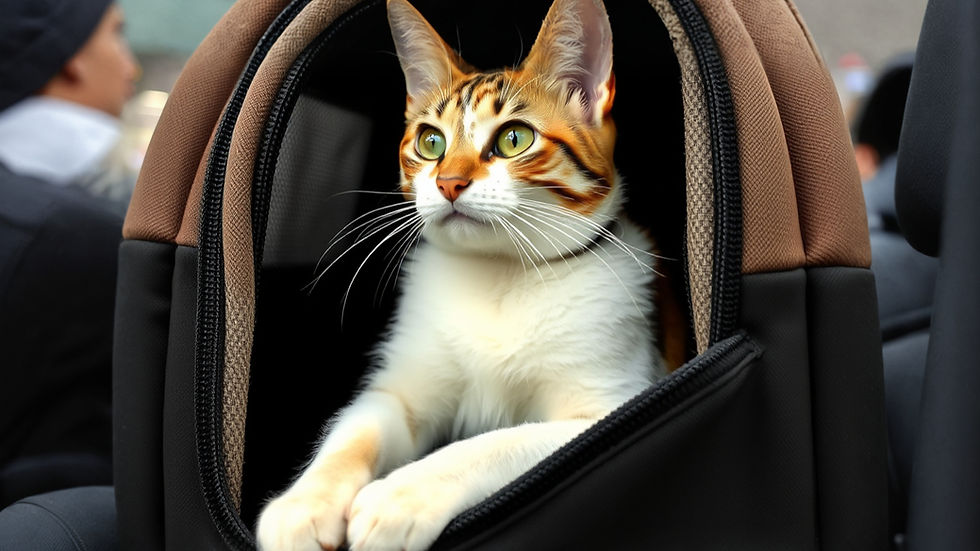
If you're planning to fly with your feline family member, you’re probably asking yourself a lot of questions: Is my cat going to panic? What carrier do I need? Should I use medication? Flying with cats doesn’t have to be stressful—as long as you prepare in advance. Whether you're accompanying your pet or working with a trusted flight nanny for cats, proper planning can make all the difference.
With years of experience in cat transportation—including cross-country moves and international flights—our team has flown with hundreds of cats. Here's our comprehensive guide to flying with cats safely and confidently.
1. Choose the Right Cat Carrier when flying with cats
Your cat's carrier must be airline-approved and fit under the seat in front of you. We recommend a soft-sided carrier without rigid wire frames, which allows your cat a bit more room while remaining flexible for under-seat storage. You want them to have enough space to stand and turn around comfortably while under the seat. Most airlines recommend the dimensions of your carrier to be around 18" x 11" x 11". However, from experience, we can confidently say your pet carrier does NOT have to match these exact dimensions.
As long as the carrier has a soft top and can compress a few inches under the seat, you can exceed these dimensions by an inch or two. The less fussy, the better! You don't need expanders or fancy crash-tested carriers for a flight. Here is a list of pet carriers we have used successfully all across the world.
2. Make the Carrier Familiar
Start carrier training at least a few weeks in advance. Leave the carrier out where your cat can sniff, sleep in, and explore it on their own terms. Add a favorite blanket, an old T-shirt, or even a little catnip to make it cozy and comforting. This way, the carrier becomes a safe space—not a scary surprise. Slowly start with ten-minute increments inside the carrier to see how they behave.
💡 Bonus tip: Practice short car rides with your cat in the carrier to mimic travel stress and motion.
3. Litter Box on the Go
If your travel includes a layover or hotel stay, a portable litter box is a lifesaver. Start training your cat with it at home so it's already familiar. Bring along a Ziploc of litter and some waste bags. In our experience, if they haven't trained with the specific travel litter box ahead of time, it is unlikely they will use it while traveling. If it is familiar, then they will know what to do when you set it up.
What about on the plane? Worried about your cat urinating mid-flight? Ninety percent of the time, we see cats hold their pee until the trip is over. (Yes, even on long-haul international flights!) Just in case, you can line the inside of the carrier with wee pads or dryfur pads so they stay nice and fresh no matter what happens.
4. Ask About Private TSA Screening
Most airports require cats to come out of their carrier at security. To avoid a chaotic moment at the X-ray belt, ask a TSA agent for a private screening room—especially helpful if your cat is wiggly or nervous in public settings. They will escort your cat into a room with a door. Once you are finished going through the metal detector and gathering your things, you can join them. You can hold your cat in the safety of this room while they run the pet carrier through the x-ray machine.
Have an especially wiggly cat? Try holding them with these cat wrap blankets so you can hold them securely and confidently. Sometimes we even bring a very cheap extra pet carrier so they can go straight into the temporary bag while we wait for the travel bag.
5. Don’t Overfeed Before the Flight
Avoid feeding your cat the morning of travel. An empty stomach helps prevent motion sickness and accidents. Once checked in at the airport, small treats are fine. Keep some kibble and wet food on hand for later, especially during layovers or overnight stays. Wet food can also help keep your cat hydrated, as many don’t drink while traveling. Having a syringe handy to hand-feed water can be helpful for very long trips.
6. Consider Calming Aids—but Skip the Sedatives
We generally advise against heavy sedation, which can affect your cat’s breathing or heart rate at high altitude. That said, many cats benefit from a light relaxant like gabapentin—talk to your vet about your options. Other calming options include:
Homeopathic options like Bach’s Rescue Remedy (regular version, not pet-specific)
7. Use a Flight Nanny for Cats
If you're not able to accompany your cat, (or simply need a travel companion to join you) a flight nanny for cats can handle everything from check-in to TSA screening and hand-delivery to your destination. At Purple Pup, we match your cat with experienced, compassionate caregivers who treat your pet like their own.
8. What to Pack in Your Carry-On
When flying with cats, be prepared for anything. Here's what we recommend you keep close:
Harness and leash
Absorbent pee pad for the carrier
Treats and a small toy
Health certificate or vet documents
Your cat’s favorite blanket or item from home
9. Final Thoughts
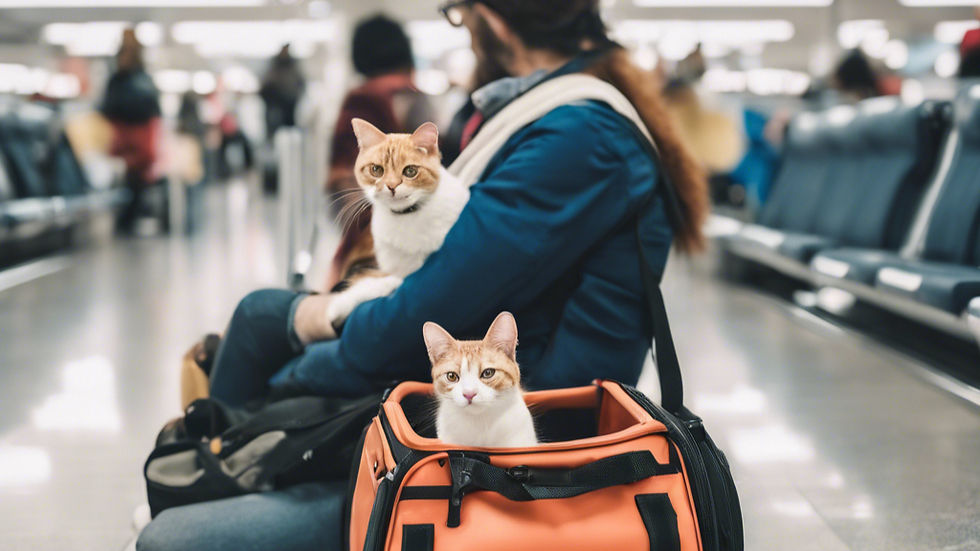
Flying with cats requires patience, preparation, and a whole lot of love. Whether you're taking your cat along for a family vacation or planning a cross-country move, these tips will help make your journey smooth and stress-free. If you're looking for support, our experienced team is here to help—from logistics to in-air care—with expert cat transportation services.
📦 Ready to plan your cat’s flight? Contact us to book a trusted flight nanny for cats →


Comments